
Aerogel insulation sheets are widely used and, thanks to their various advantageous properties, are a very popular product on the market. However, there are many important points to understand regarding their use, as many users are still unfamiliar with them. Below, we’ll introduce some relevant information about them. If you’re interested, feel free to read on.
Although aerogel insulation sheets have a wide range of applications, most readers are still unfamiliar with this product when they first encounter it. In fact, aerogel insulation sheets are produced using pre-oxidized fiber reinforcement technology to prepare the aerogel material, followed by processes such as sol-gel impregnation, gelation, modification, and supercritical drying. Simply put, it is a solid material with a nanoscale porous network structure, whose pores are filled with a gaseous dispersing medium. Due to its unique structure, it demonstrates outstanding performance in various fields, including thermal, acoustic, optical, electrical, and mechanical applications. Furthermore, the aerogel insulation sheets we’re introducing are used for thermal insulation and flame retardancy between battery cells and modules in new-energy passenger vehicles, as well as for thermal insulation in 3C electronic products. Therefore, you can find them in these applications. Our company’s products are reasonably priced, and we’re confident you’ll find them appealing. If your industry has such needs, you’re welcome to place an order here. As you can see, our product range is diverse and can meet the needs of different customers. If you find our offerings appealing, please contact us right away to select the products that best suit your needs.
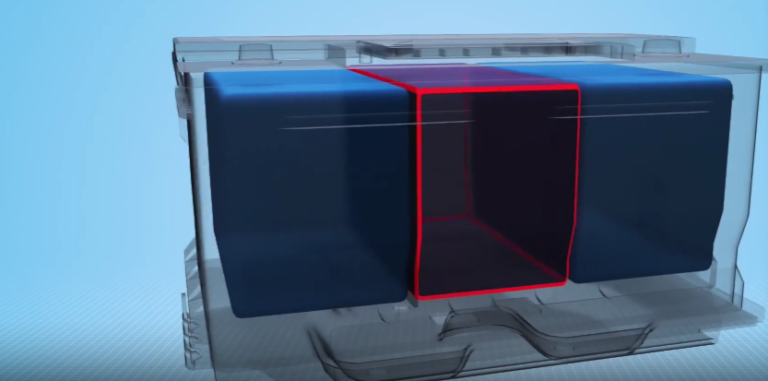
Aerogel insulation sheets are primarily fire-resistant and heat-insulating materials used in Series 5 and Series 8 ternary battery systems. Additionally, the product we recommend is most commonly used between battery cells. For example, SAIC-GM states that the Buick Velite 410km Edition uses aerogel inserts to reduce heat accumulation between battery cells and isolate heat sources. It fully complies with the restrictions of the EU RoHS Directive. Of course, it also meets automotive prohibited substance requirements. In the future, when we see this product, we’ll know it’s used for thermal insulation, flame retardancy, cushioning, and thermal runaway protection between battery cells and modules in new energy passenger vehicles; as well as for thermal insulation in 3C electronic products. Furthermore, compared to traditional insulation materials, silica aerogel insulation felt offers thermal insulation performance that is 2 to 8 times greater than conventional materials. Consequently, this product requires less aerogel to achieve the same level of insulation. If you have any questions, please feel free to call us at any time. Our online customer service representatives are here to assist you and will patiently answer any questions you may have. We welcome everyone to place orders here.
The above article introduces the uses and features of aerogel insulation sheets. If you’re new to this topic, we encourage you to read through it. That’s all for today’s information—we hope it proves helpful to those in the field.


Leave a Reply